
books, a cause for celebration
In 1964, Supreme Court Justice Potter Stewart was adjudicating a case potentially involving pornography. He famously said that he couldn’t define what pornography was, but “I know it when I see it.”
On the flip side, I feel that way about heaven. I cannot fathom heaven because it is too perfect and too eternal for my little, finite brain to understand. But I spent a long weekend in April at a conference in Michigan that gave me a foretaste of heavenly delights.
The weekend was the biennial Festival of Faith and Writing at Calvin University—a celebration of words and wordsmiths and the God who inspires words and was the Word. I experienced it with my daughter, which those of you who have grown daughters know is a slice of heaven itself, maybe not for the daughter, but certainly for the mom!
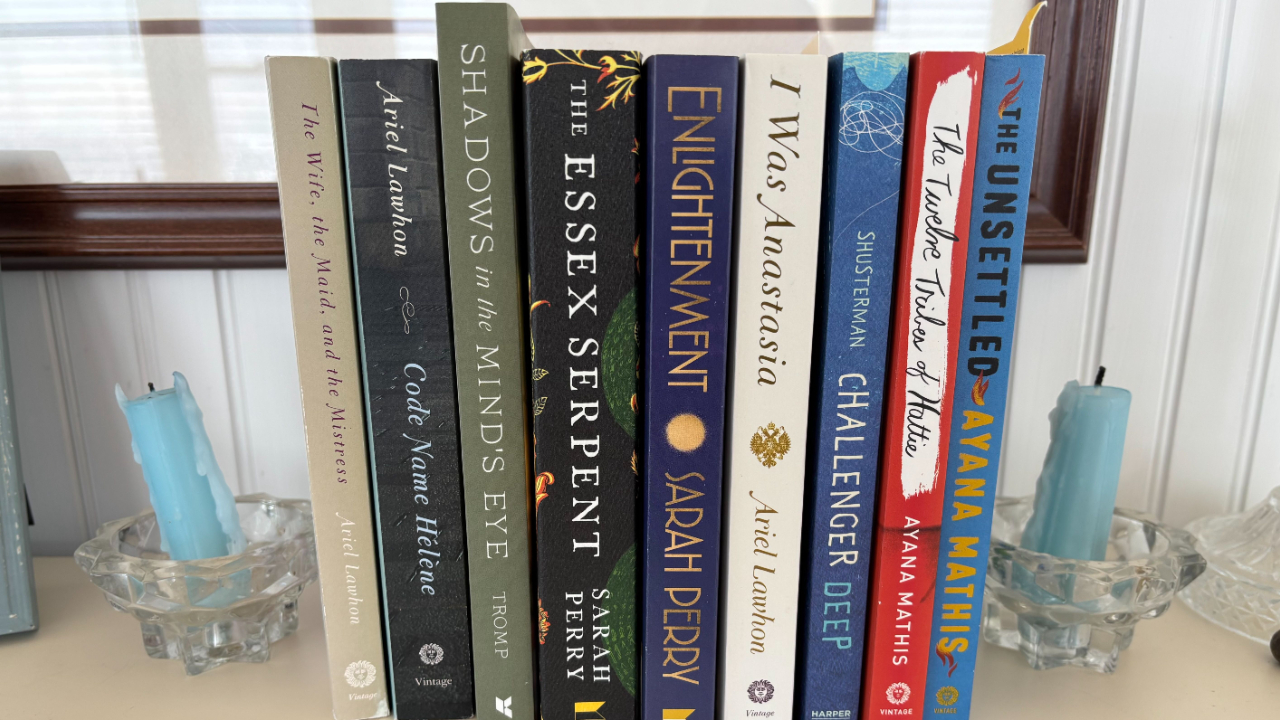
I came away from this event with an armload of books and a heart full of words that challenged me, spoken by creative people who are not just writing to make money…publishing these days is no easy road to riches…but because they feel called to the endeavor.
My focus was novelists. I heard Ayana Mathis say that she begins a book with big questions like, “What is this in which I find myself? What is a human?” Literature then has a moral responsibility to understand that characters are complex and vast, and the author must work against reductionism.
Novelist Sarah Perry also spoke of the moral rigor that the writer should exercise, scrupulously refusing to see anyone as born evil, for to do so is to exculpate yourself and make forgiveness unnecessary. The sins of others deserve compassion.
Dystopian novelist Neil Shusterman opined that at its root, dystopian works are about hope. Writers can dismantle the world safely for our inspection and offer possibilities, imagining light behind darkness. Dystopian stories portray courageous people daring to find a way out of the darkness. Dystopian literature might even help me to get outside of the bubble of my own perspectives.
Speaking of bubbles, Episcopal priest and writer Barbara Brown Taylor opened her plenary address exhorting, “Now the world is so full of words like soap bubbles, empty inside.” She quoted Rudolf Steiner who said, “Words feed propaganda when they lose contact with the transcendent.” Rev. Taylor talked of writing in service to the sacred and said, “Faith is not the answer to questions, but the reason we ask them.”
It's hard to process all this wisdom quickly. I will need to spend the next months reading books that put these thoughts into stories. But as I do so, I will bask in the afterglow of this conference, aptly called a Festival because it is a cause for celebration.
Love, Liz
